
Average Yacht Speed: Cruising Speed by Yacht Type
Average yacht speed is not one fixed number. A cruising sailing yacht may travel at roughly 5–8 knots in ordinary conditions, a displacement motor yacht may cruise around 8–12 knots, and many planing motor yachts are designed to cruise near 20–30 knots. Individual vessels can sit well outside those broad planning ranges. The useful answer depends on yacht design, engine or sail plan, load, sea state and whether you mean cruising speed or top speed.
Quick answer: how fast does a yacht go?
For a charter guest, the most important figure is the yacht cruising speed: the pace the captain can use comfortably and responsibly for the route and conditions. Top speed is mainly a performance limit. It is rarely the speed used throughout a trip because fuel use, passenger comfort, traffic, waves and safety all matter. When comparing boats, ask for the selected vessel’s normal cruising speed, not a universal average boat speed.
- Cruising sailing yachts: often about 5–8 knots, with large variation from wind and hull design.
- Displacement motor yachts: often about 8–12 knots, prioritizing comfort and range.
- Planing motor yachts: many cruise around 20–30 knots, depending on the exact model and load.
What does average speed mean for a yacht?
A yacht’s speed can be described in several ways. Speed through the water measures movement relative to the surrounding water. Speed over ground includes the effect of current and is normally what a GPS reports. An average over a passage also includes periods of acceleration, reduced speed, course changes and sometimes waiting. Two yachts can show the same instant boat speed but complete a route at different average speeds.
Cruising speed versus top speed and economical speed
Cruising speed is the sustainable operating pace used for normal travel. Top speed is the highest figure achieved under suitable conditions and is not a promise for every day. Economical speed is chosen to improve fuel efficiency or range. Manufacturer examples show why these terms cannot be combined: one yacht may have a top speed above 30 knots but a much lower economical speed. Always compare like with like.
Why yacht speed is measured in knots
At sea, speed is measured in knots. One knot equals one nautical mile per hour, or 1.852 kilometres per hour. The NOAA Tides and Currents glossary gives the same international definition. Therefore, a vessel holding 10 knots for one hour travels 10 nautical miles through the relevant reference frame. Saying “knots per hour” is incorrect when describing speed.
Typical cruising speed ranges by type of yacht
The ranges below are orientation figures, not guaranteed performance. Different speeds are normal even among boats of similar length. A light performance design, a heavy cruising yacht and a wide catamaran use different hull shapes and have different speed potential. The captain and operator should provide the figure for the actual type of vessel selected.
Average speed of a sailing yacht
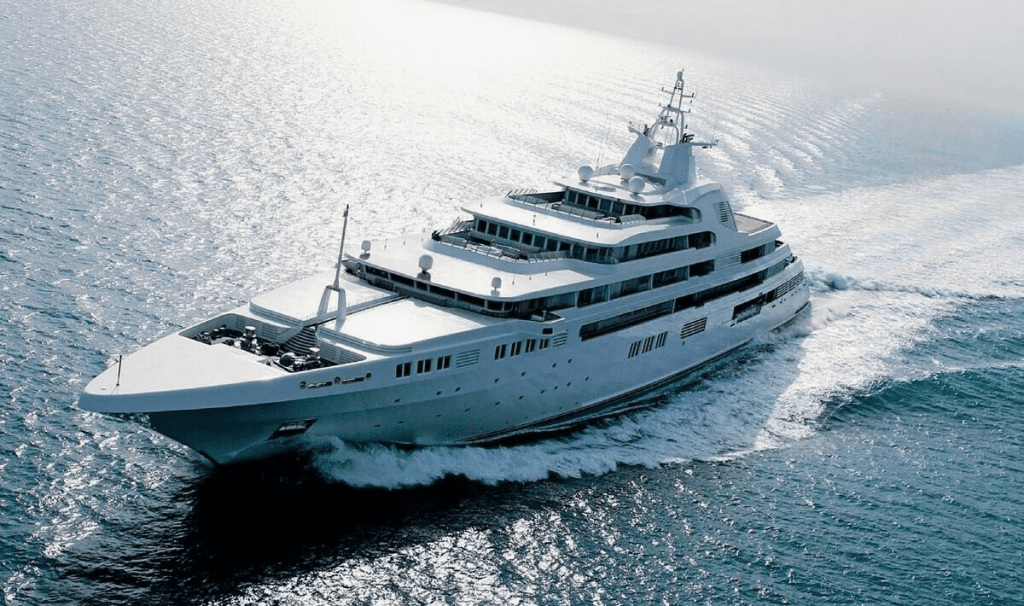
Many cruising sailing yachts make roughly 5–8 knots in usable wind, but wind strength, direction, sail choice and crew handling can change the result substantially. Performance sailing yachts can be faster. BENETEAU, for example, describes its performance-oriented First 36 in terms of sailing at 9–11 knots rather than the 5–7 knots associated with more ordinary sailing in its comparison. That manufacturer example illustrates variation; it is not an average for every sailing yacht.
In very light wind, auxiliary engines may be used to maintain a schedule. In strong winds, more speed is not automatically better: sail area may be reduced and the captain may change course to keep the boat balanced and safe.
Displacement motor yachts and long-range cruisers
A displacement hull moves through the water rather than climbing onto the surface. These vessels commonly favour range, interior volume and a tranquil cruising experience over impressive speeds. A broad planning range of about 8–12 knots can be useful for many displacement yachts, but length, hull shape and engine installation still matter. Large superyachts may publish a cruising speed around the mid-teens, while economical passage speed can be lower.
This is why a bigger yacht is not automatically a faster yacht. The design of a yacht may intentionally prioritize long passages, comfort and efficient operation instead of vessel top speed.
Planing motor yachts and sport cruisers
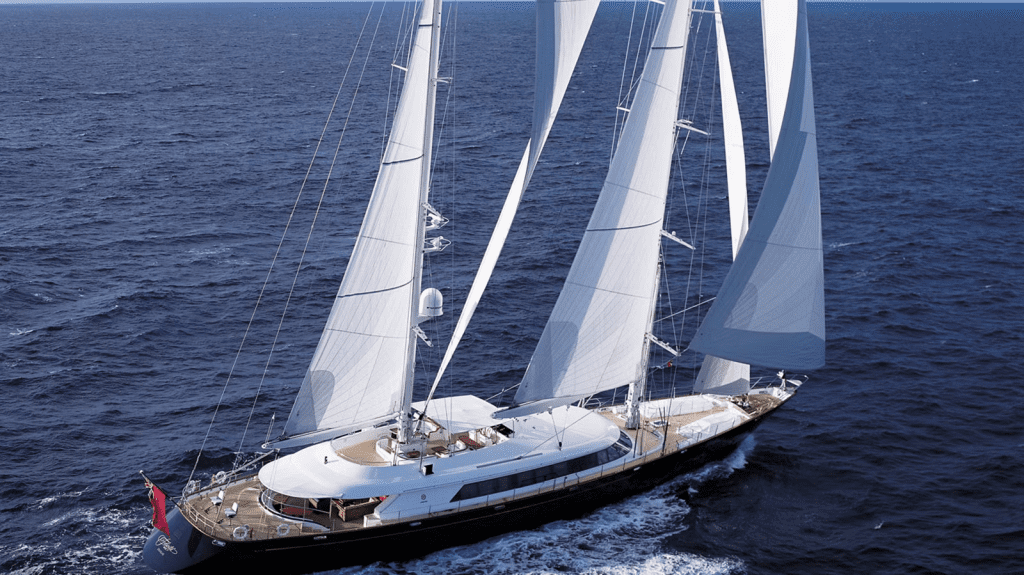
Planing hulls are designed to rise and skim more of their hull over the water as speed increases. Many modern motor yachts cruise around 20–30 knots, but exact figures vary widely. An official Princess Y80 example lists a top speed around 30–32 knots and describes materially different range at fast cruise and at 10 knots. Other motor yachts are slower or much faster.
A powerful engine can create high speed potential, yet fuel consumption usually rises sharply as more power is demanded. The captain may therefore choose a lower average cruising speed even when the yacht can travel faster.
Sailing and power catamarans
A catamaran has two hulls, but that fact alone does not determine boat speed. Sailing catamarans depend on wind conditions, weight and sail plan. Power catamarans depend on engine output and hull design. Their broad beam can provide useful deck space and comfort, while performance varies by model. Claims that every catamaran is twice as fast as a monohull or almost impossible to capsize are not reliable general rules.
Key factors that influence a yacht’s speed
Average yacht speed results from various factors working together. The same vessel can record different speeds on two days without any mechanical problem. Route planning should therefore use a realistic margin instead of assuming ideal conditions from departure to arrival.
Hull shape, hull type and waterline length
Hull design has a significant role. A displacement hull creates a bow wave and normally becomes increasingly inefficient as it approaches its practical hull speed. Waterline length affects the wave pattern, while weight and hull shape influence resistance. A planing hull can move beyond the traditional displacement pattern after sufficient power lifts more of the hull. Multihulls use two narrow hulls and behave differently again.
The familiar hull-speed formula is only a rough rule for conventional displacement hulls. It should not be used as a universal speed limit for planing boats, modern multihulls or every sailing design.
Engine power, propellers, load and maintenance
Engine rating matters, but horsepower alone does not tell the full story. Gear ratio, propeller choice, clean underwater surfaces and correct engine condition are key elements. Extra fuel, water, luggage, tenders and passengers increase load. Fouling on the hull or propeller also adds drag. A boat’s speed measured lightly loaded during a sea trial may not match its pace on a fully prepared charter.
Published performance must be read together with test conditions and load. The actual motor yacht speed on the day remains an operational decision.
Wind conditions, waves, current and open water
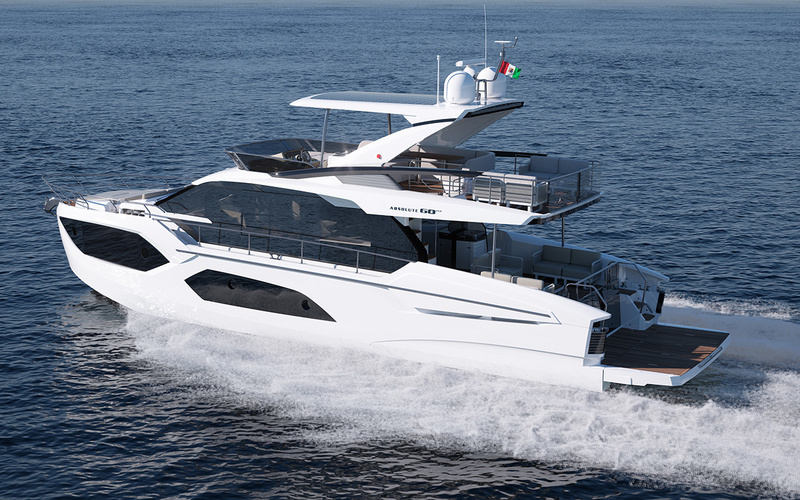
Wind strength and direction directly affect sailing yachts and can also influence motor vessels through waves and wind resistance. Head seas may require slower travel for comfort and safety. A following current increases speed over ground; an opposing current reduces it. Shallow water, traffic, harbour limits and local speed restrictions can also require a lower pace.
Ideal conditions used in marketing materials may not match a real Phuket route during monsoon weather or busy harbour movements. Strong winds do not automatically mean a sailing yacht should chase maximum speed.
Captain’s decision, visibility, traffic and safe speed
The captain must consider visibility, traffic density, manoeuvrability, sea state and nearby hazards. The Royal Yachting Association’s safe-speed guidance explains that safe speed depends on several factors rather than one number. Passenger comfort is also relevant: reducing speed can prevent heavy impacts and make the trip more enjoyable.
The safe speed for current conditions always matters more than a timetable. A responsible charter operator does not guarantee top speed regardless of weather.
How far can a yacht travel in one day at average speed?
The basic calculation is distance equals speed multiplied by moving time. At 10 knots for six uninterrupted hours, the theoretical distance is 60 nautical miles. At 20 knots for six hours, it is 120 nautical miles. A real charter day usually covers less point-to-point distance because it includes harbour manoeuvring, swimming stops, meals, course changes and reduced-speed zones.
For long passages, the calculation must also consider fuel range, reserves, crew hours, weather windows and the ability to divert. A yacht capable of high top speed may have shorter range at that pace than when travelling slowly. Never use a simple 24-hour multiplication as a promise of where a particular charter can go.
Are there industry standards for measuring average yacht speed?
There is a standard unit—the knot—but no single industry-wide “average yacht speed” covering all yachts. Builders normally publish maximum or estimated speed for a model and may state cruising or economical speed under specified assumptions. Independent sea trials can use measured load, fuel, weather and water conditions, but results still apply to that vessel and test.
When comparing specifications, check whether the number is cruising speed, top speed or speed over ground. Ask what engines were installed and whether the figure changes with load and climate. This prevents an impressive top-speed headline from being mistaken for a daily passage average.
What speed matters for a Phuket yacht charter?
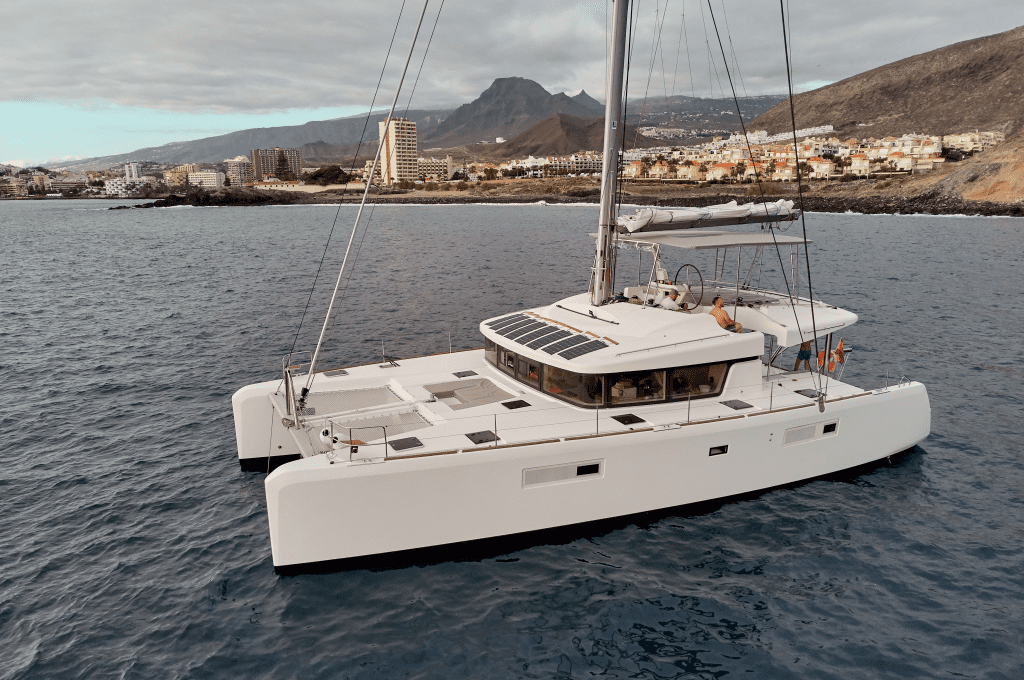
For a yacht charter in Phuket, route feasibility matters more than the fastest number in a brochure. A higher cruising speed may make distant stops practical, but a slower vessel may provide more deck space, comfort or range. Phang Nga Bay, nearby islands and open-water routes toward Phi Phi involve different distances and exposure.
Ask the operator for estimated travel time from the actual departure marina. The answer should account for the selected boat, planned stops, seasonal water conditions and safe operating limits. Our guide to Phuket yacht destinations helps compare route styles, while the article on private yacht tour benefits explains when flexibility is more valuable than raw speed.
How to choose a yacht using speed, comfort and range
Begin with the number of guests and licensed capacity. Next, decide whether the priority is reaching a distant area, enjoying a relaxed day or staying overnight. Compare the normal cruising speed, not only the vessel top speed. Then review shade, seating, cabins, toilets, stabilisation where available, fuel and route inclusions.
Use our explanation of different types of yachts to narrow the choice. A fast motor yacht may suit a time-sensitive day trip. A sailing yacht may suit guests who value the experience of sailing. A catamaran may suit a group that prioritizes social deck space. The right answer is the boat that fits the whole plan.
Final takeaway: use speed as one part of the charter decision
Typical ranges are useful for planning, but the selected yacht specification is decisive. Ask for cruising speed, expected route time, fuel and weather assumptions. Treat top speed as a capability, not a guarantee. When comfort, range and safety are considered together, average boat speed becomes a practical planning tool rather than a misleading headline.
More Articles
Best
Phuket Yachts for Groups of 10 20 30 Guests 2026 Guide
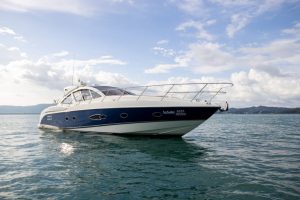
Key Highlights Choose by licensed day capacity first, then compare route, charter duration, deck layout and comfort. For about 10 guests, strong options include Azimut Atlantis 50ft, Bertram 50ft and Leopard 43. For 20 guests, compare Leopard 51, Grand Banks Sambuca 53ft and Falcon 106. For 30 guests, Technema 89 Say Yes and Astondoa 102ft…
Charter
Superyacht Phuket August 2026: Prices & Routes
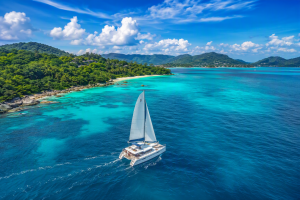
A crewed superyacht in Phuket combines private cruising, professional crew and access to the Andaman Sea. It is also a high-value booking where vague capacity, price or departure claims create costly mistakes. This guide uses current Horizon Cruises Phuket catalogue data and explains how to compare exact yachts rather than marketing promises. Compare one final…
Private
Yacht Charter Phuket for Events in 2026
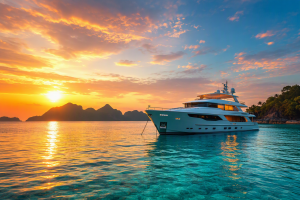
A private vessel in Phuket can turn a birthday, wedding or corporate event into a full day of travel, dining and time together. The best choice is not the vessel with the loudest description. It is the selected vessel whose certified capacity, deck layout, route, boarding point and final Thai-baht price match your group. Compare…
Best
Yacht Charter Destinations in Phuket: Where to Sail

The best yacht charter destinations in Phuket are Phang Nga Bay, Phi Phi, Racha, Koh Yao and the Similan Islands. These beautiful islands cover sheltered limestone lagoons, turquoise waters, coral reefs and marine life, so the right choice depends on season, passage length and group. This guide compares each Thailand yacht charter destination, explains which…
