
Types of Yachts: Choosing the Right Yacht
There are many types of yachts because designers solve different problems: speed, range, deck space, sailing performance, shallow-water access or long-term living. The most useful way to compare them is by propulsion, hull form, size, layout and intended use. A motor yacht, sailing yacht and catamaran of similar length can feel completely different on a charter.
The main yacht types are motor yachts, sailing yachts and multihulls such as catamarans. Inside those categories are sport cruisers, flybridge yachts, displacement cruisers, performance sailing boats, expedition yachts, superyachts and specialist fishing vessels. The best type of yacht is not automatically the largest or fastest. It is the one that fits your route and group.
- Choose a motor yacht when travel time, air-conditioned living space or powered performance is important.
- Choose a sailing yacht when the sailing experience and quieter movement under sail are priorities.
- Choose a catamaran when broad deck areas, social space and lower heeling are attractive.
- Choose an expedition yacht for long range, storage and operation in more remote areas.
How Propulsion, Hull and Size Classify Yachts
Yacht types can be grouped in several valid ways, so two articles may use different categories of yachts without either being completely wrong. A brokerage may organize charter yachts by guest experience, while a naval architect focuses on hull types and propulsion systems. Legal rules may use length, tonnage, passenger number and commercial operation.
Propulsion Types: Motor, Sail and Hybrid
A motor yacht relies primarily on engines. A sailing yacht uses the power of the wind and normally carries an auxiliary engine for harbour work, low wind and safety. A hybrid yacht combines propulsion or energy systems in different ways; the exact meaning depends on the design. The label should be supported by a clear technical description rather than treated as a guarantee of low environmental impact.
Hull Types: Monohull, Catamaran and Trimaran
A monohull has one main hull. A catamaran has two, and a trimaran has three. These different styles affect beam, interior arrangement, resistance, handling and berthing needs. Multihulls commonly provide wide living space and reduced heeling, while monohulls can offer a familiar motion and narrower marina footprint. Actual comfort still depends on sea state, weight distribution and yacht design.
Size, Use and Operating Profile
Smaller yachts may be practical for couples and short coastal trips. A larger yacht can add cabins, crew areas, water toys and exceptional comfort, but size also affects marina access, draft, operating cost and route planning. Intended use creates further classes: day boats, blue-water cruisers, racing yachts, expedition yachts, support yachts and charter yachts.
Motor Yacht Types for Speed and Comfort
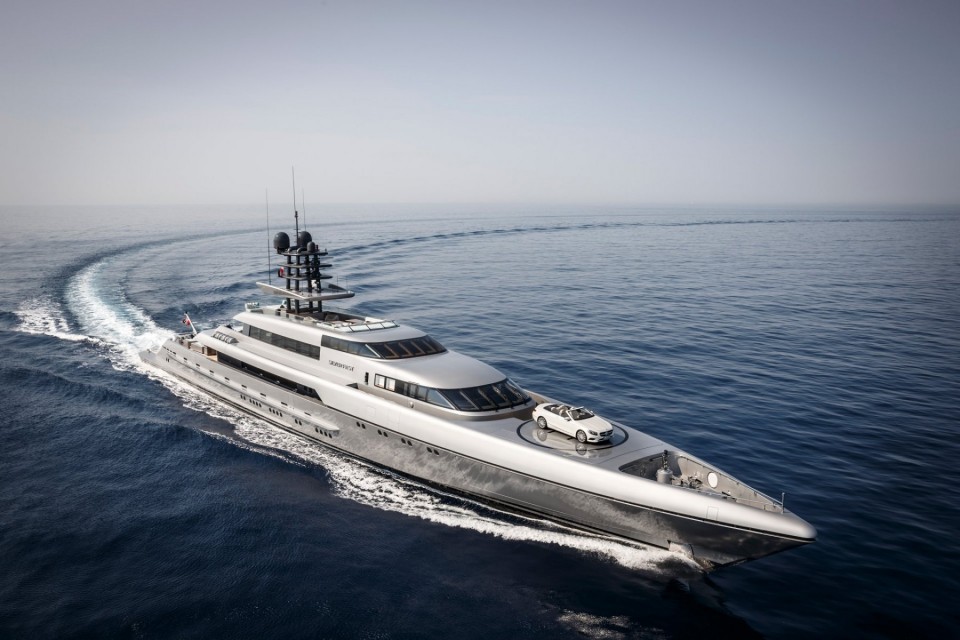
Motor yachts use engines as their primary propulsion. They range from compact open boats to large multi-deck luxury yachts. A powerful model may reach high top speeds, while a displacement motor yacht can be designed for economical long passages. Fuel use, noise, range and comfort differ greatly, so “motor yacht” is a family of vessels rather than one precise experience.
Engine power matters, but a larger engine does not automatically define the best vessel. A full displacement superyacht may find an economical sweet spot at lower speed, while contemporary motor yachts today may prioritize greater distances or effortless comfort.
For charter guests, the advantages can include predictable movement in light wind, faster transfers and enclosed living areas. The trade-offs can include higher fuel consumption and a firmer ride when speed meets waves. Our guide to average yacht speed explains why cruising speed and top speed should not be confused.
Flybridge Yachts with Upper Deck Living
A flybridge yacht has an upper helm and additional outdoor area above the main deck. It is a popular choice for guests who want views, seating and several social zones. Wind exposure, stairs and shade should be considered for children or guests with limited mobility. Some models add a hardtop or enclosed upper area.
Sport Yachts and Open Express Cruisers
These motor yacht types usually emphasize a low profile, performance and direct connection to the water. An open yacht can be excellent for day use and swimming stops. Enclosed cabins and weather protection vary by model. A sport yacht may be fast, but guest capacity and useful deck layout remain more important than a dramatic speed figure.
Displacement Motor Yachts for Range
Displacement yachts move through the water and often prioritize range, smooth operation and large spacious guest accommodation. Semi-displacement designs balance range and higher performance. These hull types are common toward the larger end of the market, but the same general terms can describe smaller cruisers too. Model specifications provide the reliable answer.
Sailing Yacht Types and Sail Plans
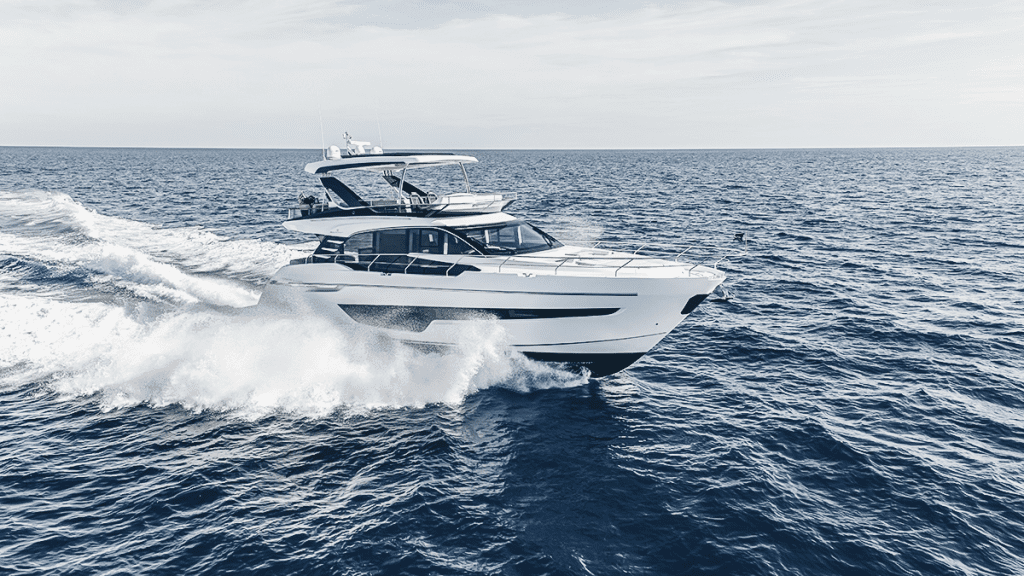
Modern sailing yachts use sails for primary propulsion and an auxiliary engine when needed. Their appeal is the immersive sailing experience: trim, wind, heel and movement are part of the journey. They can use less fuel while sailing, but generators, engines and onboard services may still consume energy. Performance depends on hull shape, sail plan, weight and wind.
Sloops, Cutters and Ketches Explained
A sloop usually has one mast with a mainsail and headsail. A cutter adds sail-plan flexibility with more than one headsail arrangement. A ketch has a main mast and a smaller mizzen mast. These terms describe rig design, not the overall quality of the yacht. For most charter guests, cockpit space, shade, cabins and crew are easier decision points than technical rig vocabulary.
Performance Sailing Yachts and Racer-Cruisers
Racing and cruiser-racer designs reduce weight and optimize sails and appendages for speed. They may suit an experienced crew or the regatta circuit, but not every performance yacht is the best option for a relaxed family holiday. Check the number of comfortable berths, protection from weather and how much sailing participation is expected.
Catamarans and Multihulls with Wide Deck Space
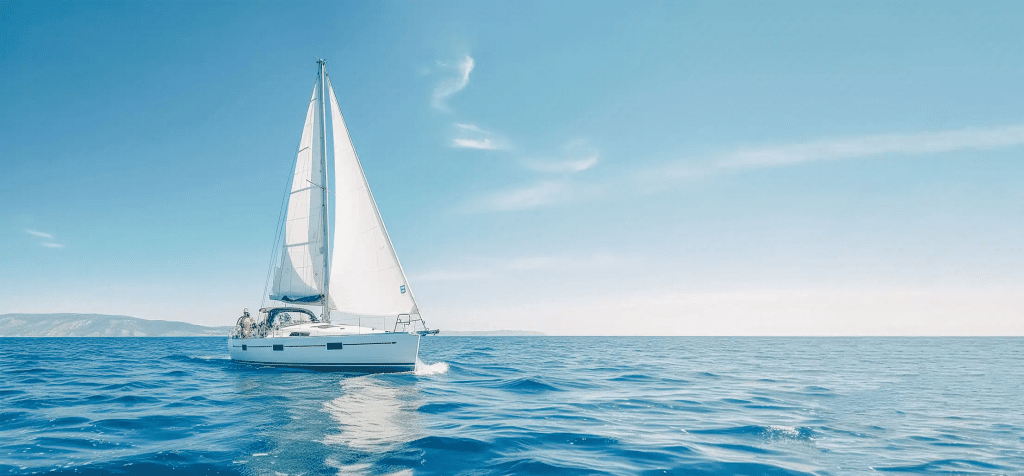
In the world of yachting, a multihull can be a great way to match an owner’s lifestyle. The reduced or relative lack of heeling can create greater stability for some activities, but it does not remove normal operating limits.
A catamaran’s two narrow hulls create a broad platform between them. This can produce large social areas, multiple cabins and less heeling under sail than a comparable monohull. Catamarans are a popular choice for families and groups, especially when deck space and island hopping matter.
They are not immune to weather, motion or stability limits. Safe operation depends on loading, design and captain decisions. Sailing catamarans and power catamarans also have different propulsion systems and performance. Compare the actual vessel instead of assuming every multihull behaves the same way.
Superyachts, Megayachts and Gigayachts by Size
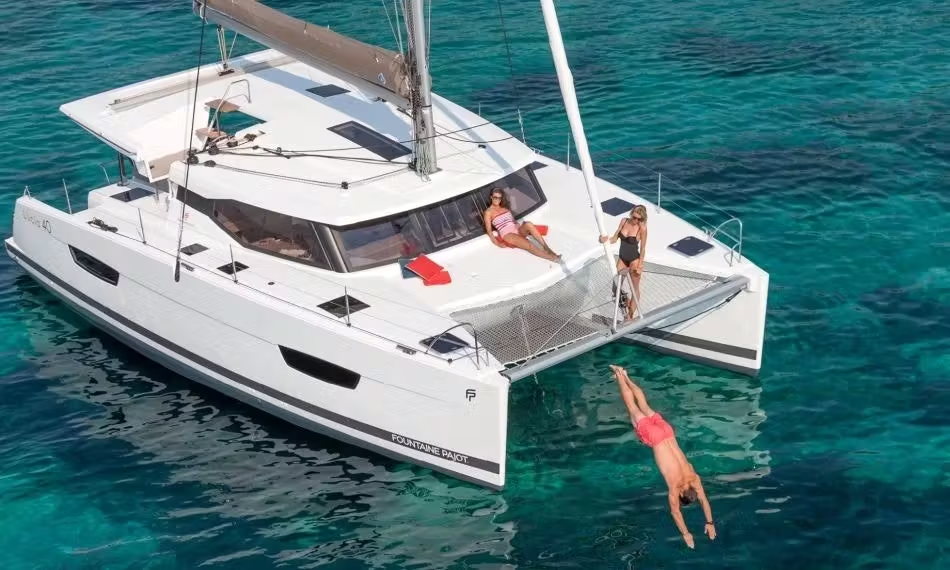
Superyacht, megayacht and gigayacht are widely used marketing and industry labels, but there is no single universal legal boundary for all three words. “Superyacht” often describes a professionally crewed luxury yacht from around 24 metres, while megayacht and gigayacht are informal terms for progressively larger vessels. Thresholds vary by publication and company.
A useful regulatory reference is different from a marketing definition. The UK’s Maritime and Coastguard Agency guidance defines a large commercial yacht for its code using criteria including 24 metres or more, commercial sport or pleasure use, no cargo and no more than 12 passengers. That rule applies in its stated jurisdiction and context; it does not legally define every superyacht worldwide.
When evaluating a luxury yacht, use exact length, gross tonnage, licensed guest capacity, cabins, crew and operating area. Those facts are more useful than the prestige of a size label.
Expedition Yachts for Long-Range Travel
For ocean crossings or operation on the high seas, exceptional range and a highly skilled crew may make an expedition yacht the ideal choice.
Expedition yachts, sometimes called explorer yachts, are designed around range, storage, seaworthiness and operation away from established marinas. They may carry large tenders, diving equipment or specialist gear. A traditional luxury motor yacht may prioritize exterior lines, entertaining spaces and resort-style comfort. The categories overlap: many modern explorer yachts also offer luxury interiors.
An expedition appearance alone does not prove ocean-crossing capability. Review fuel range, certification, machinery redundancy, crew competence and the vessel’s actual operating limits before planning remote travel.
Fishing, Support and Specialist Yacht Types
A guest interested in fishing should look for a sportfishing yacht or another type of boat equipped for the intended fishing style. Useful features may include an open aft cockpit, rod storage, bait preparation areas, fish-finding electronics and easy water access. Local licences and fishing rules still apply.
Support yachts carry tenders, water toys, equipment or extra personnel for a larger yacht. They are specialist working platforms rather than replacements for the owner’s main guest vessel. Tenders and chase boats handle transfers, short trips and water access. These specialist categories show why function is often the most effective way to classify a yacht.
Eco-Friendly Yacht and Propulsion Options
Lower-impact options can include sailing yachts, efficient displacement hulls, hybrid propulsion, solar-assisted hotel loads and electric tenders. “Eco-friendly” should be treated carefully because construction, generators, air-conditioning, speed and total fuel use all contribute to impact. A sailing yacht may use less fuel while under sail but still rely on engines and onboard systems.
Ask for concrete information: propulsion type, generator use, shore-power practices, waste management and operating speed. Measurable features are more meaningful than a green label.
How Yacht Size Changes the Guest Experience
Length is only one measure. Beam affects deck and interior width; draft affects access to shallow areas; gross tonnage describes enclosed volume rather than weight. As yachts become larger, they may require more crew, different certification and larger berths. Smaller yachts can access different marinas and may feel more connected to the water.
For a charter, licensed day and overnight capacity are decisive. A larger yacht does not automatically allow an unlimited group. Use the certified capacity provided for the selected vessel and trip type.
Choosing the Right Yacht Type for Phuket
Start with guest capacity, route, comfort and budget. Then decide how much travel time, cabin space, shade and water access you need. Compare current guest-facing THB prices and inclusions rather than assuming one category is always cheaper.
- For a fast day itinerary, compare suitable motor yachts and their cruising speeds.
- For the pleasure of sailing, choose a sailing yacht with a layout that fits the group.
- For broad social areas, compare sailing and power catamarans.
- For celebrations, prioritize licensed capacity, deck flow and service areas.
- For overnight or remote routes, examine cabins, range, storage and crew support.
The detailed comparison of motor yachts versus sailing yachts helps with the next step, while our Phuket destination guide connects vessel choice to route.
Phuket offers nearby islands, sheltered scenery and more exposed open-water routes. A boat that is ideal for a short Coral Island day may not be the most suitable yacht type for a longer route. Departure marina, seasonal conditions and safe travel time all matter.
Use Horizon Cruises Phuket to compare live vessels by capacity, layout and price. Send the date, group size and preferred destination before booking. The team can narrow the different yacht types to options that are actually available and suitable for the plan.
The type that best suits a trip may provide easy access to its cruising ground rather than the most impressive label. Compare every option in a considered way.
The yachting world uses many overlapping names, but the decision becomes simpler when you begin with the trip. Identify the route, guests and desired experience, then compare propulsion, hull, size and layout. Exact specifications and licensed capacity matter more than whether a brochure calls the vessel a yacht, superyacht or explorer.
More Articles
Best
Phuket Yachts for Groups of 10 20 30 Guests 2026 Guide
Key Highlights Choose by licensed day capacity first, then compare route, charter duration, deck layout and comfort. For about 10 guests, strong options include Azimut Atlantis 50ft, Bertram 50ft and Leopard 43. For 20 guests, compare Leopard 51, Grand Banks Sambuca 53ft and Falcon 106. For 30 guests, Technema 89 Say Yes and Astondoa 102ft…
Charter
Superyacht Phuket August 2026: Prices & Routes
A crewed superyacht in Phuket combines private cruising, professional crew and access to the Andaman Sea. It is also a high-value booking where vague capacity, price or departure claims create costly mistakes. This guide uses current Horizon Cruises Phuket catalogue data and explains how to compare exact yachts rather than marketing promises. Compare one final…
Private
Yacht Charter Phuket for Events in 2026
A private vessel in Phuket can turn a birthday, wedding or corporate event into a full day of travel, dining and time together. The best choice is not the vessel with the loudest description. It is the selected vessel whose certified capacity, deck layout, route, boarding point and final Thai-baht price match your group. Compare…
Average
Yacht Speed: Cruising Speed by Yacht Type
Average yacht speed is not one fixed number. A cruising sailing yacht may travel at roughly 5–8 knots in ordinary conditions, a displacement motor yacht may cruise around 8–12 knots, and many planing motor yachts are designed to cruise near 20–30 knots. Individual vessels can sit well outside those broad planning ranges. The useful answer…
